
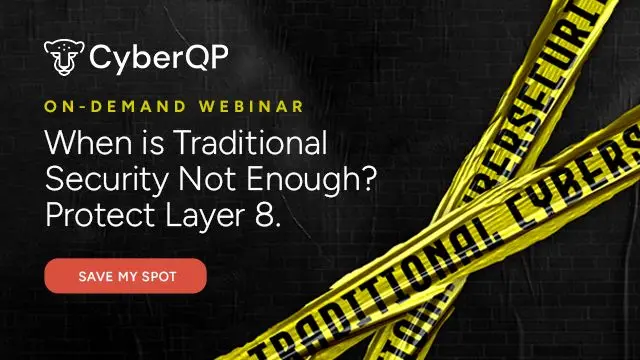
When is Traditional Cybersecurity Not Enough? Protect Layer 8
The webinar "When is Traditional Cybersecurity Not Enough? Protect Layer 8" features Jim Jessup and CyberQP presenters discussing how traditional cybersecurity tools fail to address identity-focused threats like social engineering and helpdesk impersonation, emphasizing the importance of protecting the human user (Layer 8) as a critical component of a Zero Trust security strategy.
When is Traditional Cybersecurity Not Enough? Protect Layer 8.


Speakers

Jim Jessup
COO & CO FOUNDER
Traditional cybersecurity tools are built to protect networks, endpoints, and data. But what about the humans behind the screens? In this session, we'll explore how identity-focused threats like social engineering and helpdesk impersonation attacks bypass traditional defenses, and why protecting Layer 8 (the user) is critical to a Zero Trust strategy.
Presenters
- Paul Redding, CyberQP
- Nick Hilderman, CyberQP
Other Webinars
 \
\
WEBINAR\
\
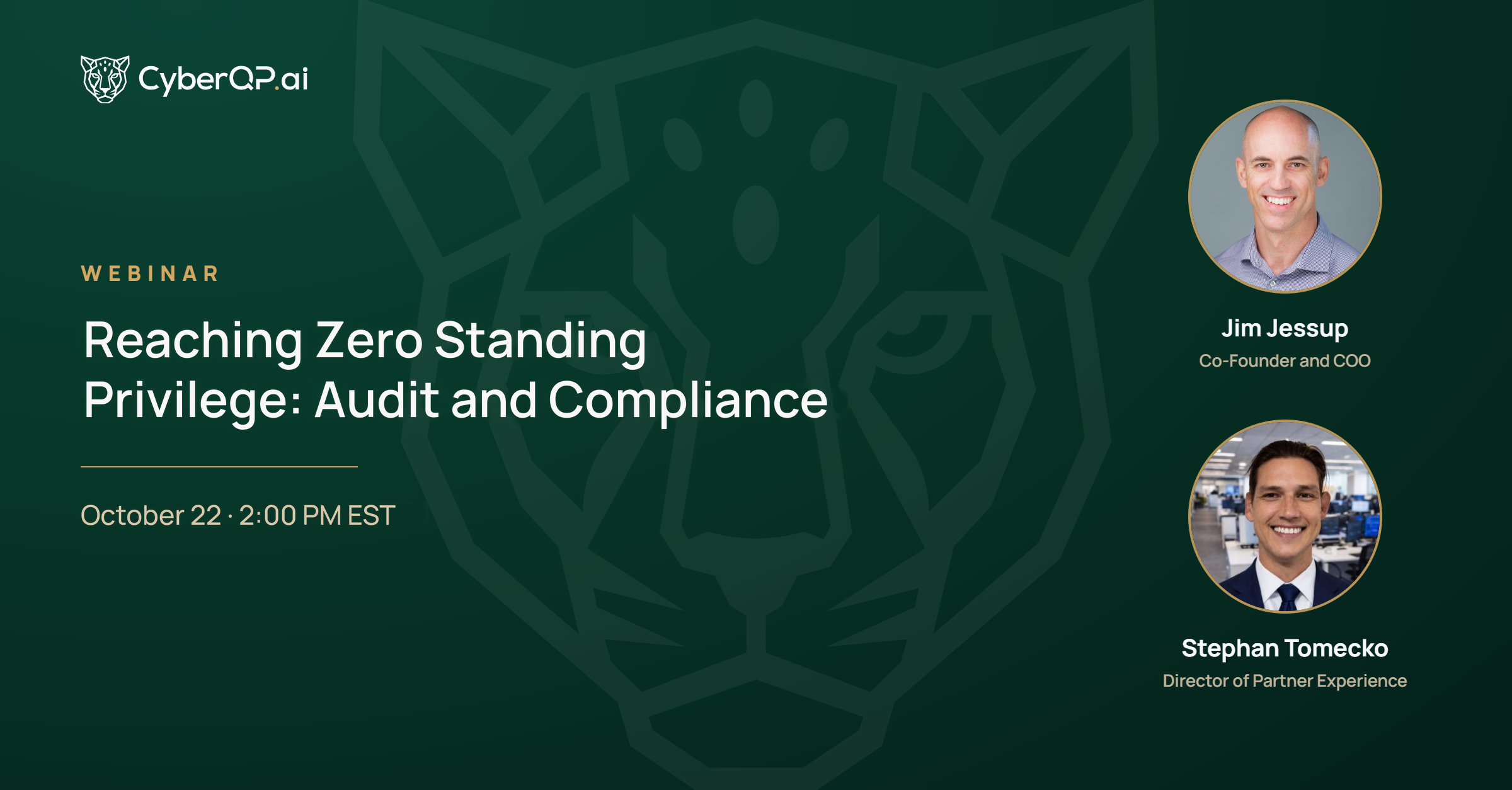
Reaching Zero Standing Privilege: Audit and Compliance
 \
\
WEBINAR\
\
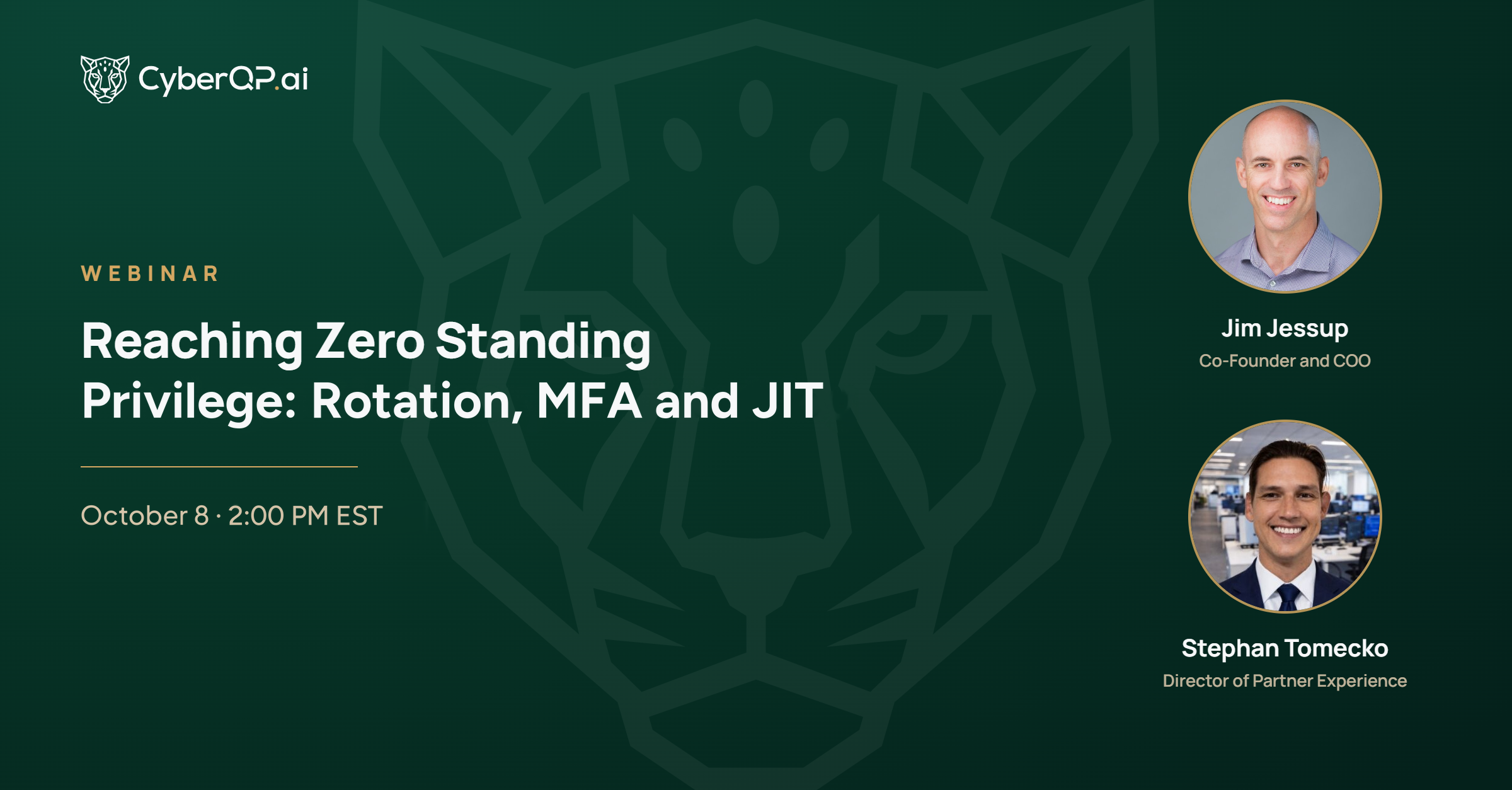
Reaching Zero Standing Privilege: Rotation, MFA, and JIT
 \
\
WEBINAR\
\
Reaching Zero Standing Privilege: Discovery and Vaulting
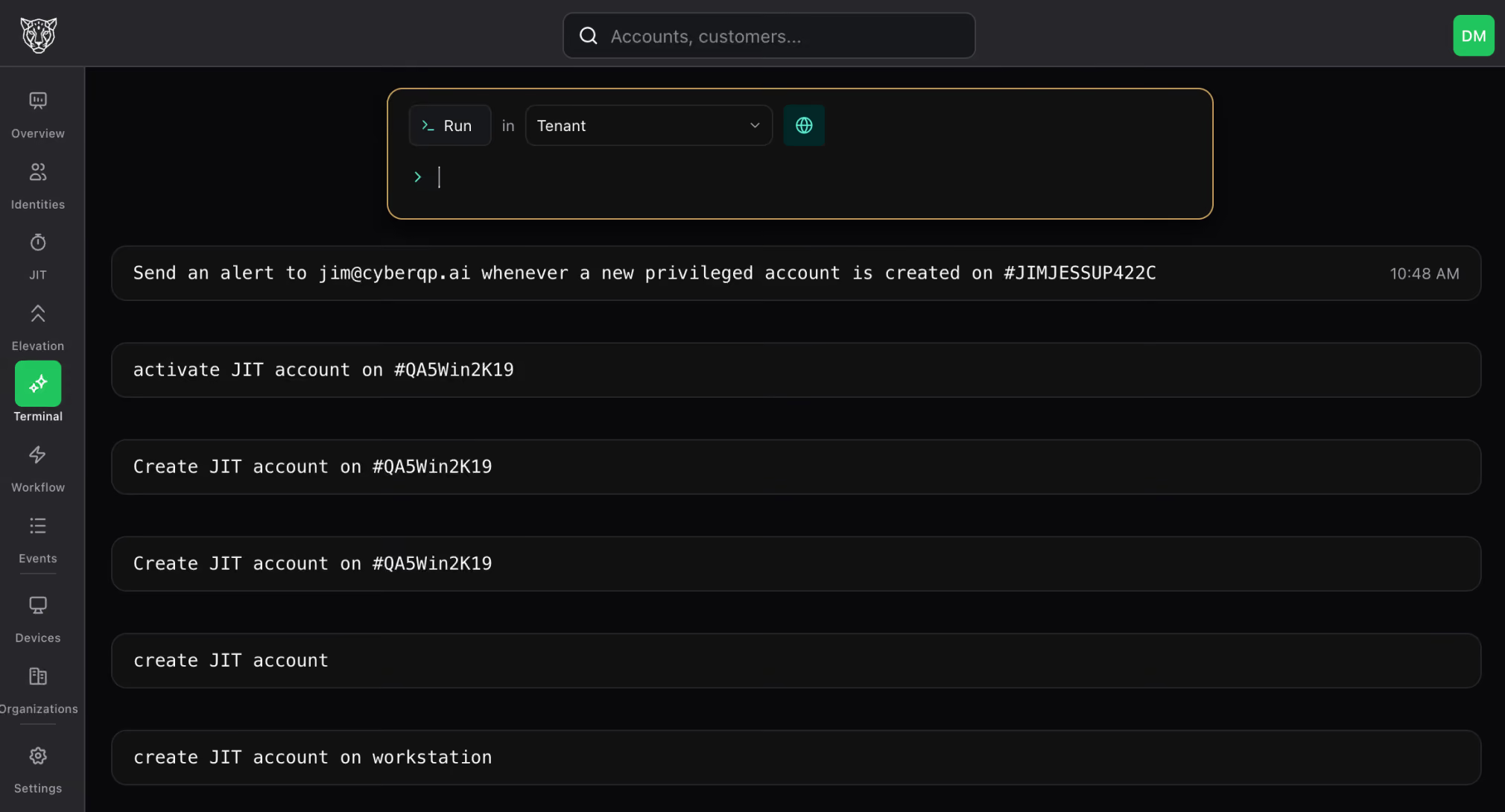
Run Panthera on your own environment

30 days free trial
No credit card required
Products
Pricing QGuard QDesk Integrations Product Tours Product Roadmap Release Notes
Products
Submit a Ticket Partner Portal Trust Center Knowledge Base
Company
Company Leadership Contact Careers
Resources
Resource Hub Blog White Papers eBooks Webinars Success Stories


© 2026 CyberQP Inc. All rights reserved.
Privacy Policy Terms & Conditions Cookie Policy Consent Preferences