
The Security Automation Blueprint for MSPs
The Security Automation Blueprint for MSPs eBook by CyberQP provides strategies for managed service providers to prevent impersonation attacks, automate password resets, empower end users with self-service options, and secure hybrid work environments, thereby reducing help desk workload and enhancing cybersecurity without compromising controls.
The Security Automation Blueprint for MSPs
How MSPs prevent impersonation attacks, automate password resets, and let end users self-serve, cutting help desk workload without loosening controls.


e-book
Are manual account lockout and password reset tickets your kryptonite? Become a ticket resolution speedster without compromising your help desk’s cybersecurity, powered by CyberQP.
Prevent Cyber Threats in Less Than 30 Seconds
Impersonators and fraudsters are today’s supervillains. Transform your technicians into MSP superheroes with CyberQP’s MSP Security Automation Blueprint!
You’ll learn how help desks like yours use Customer Workforce Verification to deter modern social engineering techniques and impersonation attempts.
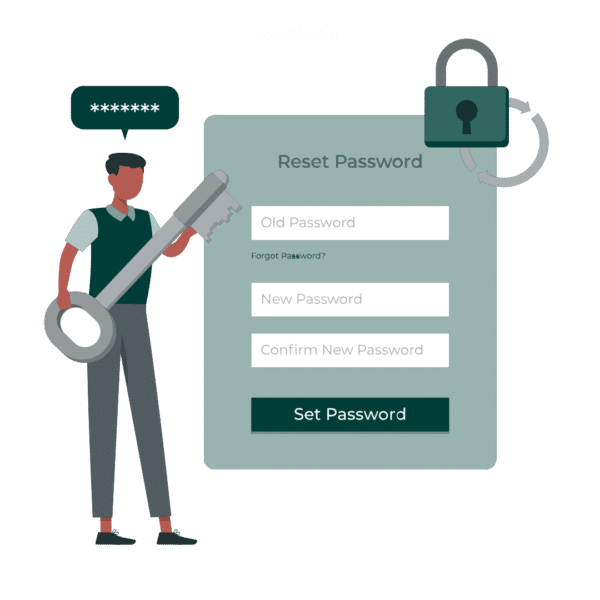
Empower End Users with Password Resets
Securing a Hybrid Work Environment
As hybrid work and Work From Anywhere policies become the norm, SMBs are no longer solely reliant on a local pool of talent. With the ability to hire professionals from the global talent pool, MSPs and SMBs may end up working with people that they’ve never met in person. Moreover, as both an MSP and their clients grow, and as employees come and go, it can be difficult for your technicians to parse through which requests are legitimate
Did you know?
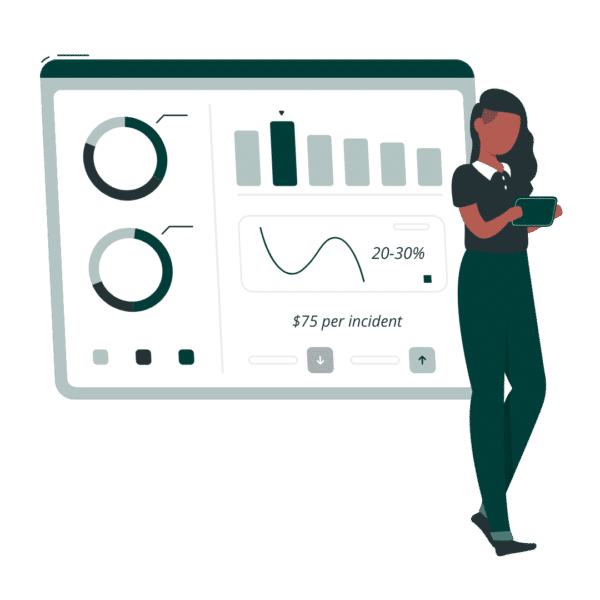
Password reset tickets amount to 20-30% of all help desk support tickets and cost up to $75 per incident! The right password reset tool will put the power to get back online in an end user’s hands and use modern security measures (such as biometric authentication) to eliminate frustrating phone calls and deter impersonation attacks. Moreover, a self-service experience will enable MSPs to resolve password reset tickets ten times faster.
Mitigate your Security Risks Today!
Run Panthera on your own environment

30 days free trial
No credit card required
Products
Pricing QGuard QDesk Integrations Product Tours Product Roadmap Release Notes
Products
Submit a Ticket Partner Portal Trust Center Knowledge Base
Company
Company Leadership Contact Careers
Resources
Resource Hub Blog White Papers eBooks Webinars Success Stories


© 2026 CyberQP Inc. All rights reserved.
Privacy Policy Terms & Conditions Cookie Policy Consent Preferences