
Trust but Verify: Stopping Identity-Based Breaches
The webinar "Trust but Verify: Stopping Identity-Based Breaches" on September 1 from 8:00 PM to 9:00 PM EEST, featuring Levi Rose and Jim Jessup, will address how attackers exploit weak identity verification and credential management to impersonate users, and will teach businesses practical strategies for strengthening security through identity verification, credential management, and a Trust but Verify access model to prevent breaches and reduce organizational risk.
Cybersecurity Best Practices for Businesses
September 1, 8:00 PM — 9:00 PM EEST



Speakers

Levi Rose
SR. DIRECTOR OF MARKETING

Jim Jessup
COO & CO FOUNDER
Attackers aren’t always breaking systems. They’re logging in. Weak identity verification, reused or poorly managed credentials, and over-privileged accounts make it easy for hackers to impersonate users and move through organizations undetected. Groups like Scattered Spider use low-cost tools and social engineering to exploit trust-based access, targeting both businesses and IT teams.In this webinar, we’ll show why traditional access models fail and how a Trust but Verify approach can protect your organization. You’ll see how identity verification and proper credential management prevent impersonation, limit privilege abuse, and reduce risk.What you’ll learn:
- How attackers exploit identity and access
- Why trust-based access breaks down
- How identity verification strengthens security
- How credential management reduces risk
Join us to learn practical ways to secure your systems, verify every user, and reduce risk across your organization. PresentersStephan Tomecko, Director of Partner SuccessText goes here
Join us
First name
Last name
Email Address
Company
Thank you! Your submission has been received!
Oops! Something went wrong while submitting the form.
First Name
Last Name
Comments
We use your email to send the session link and the recording. No list sharing, unsubscribe any time. Privacy policy.
Upcoming webinars
 \
\
WEBINAR\
\
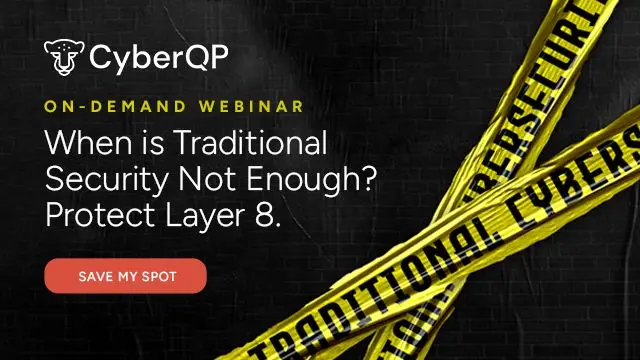
When is Traditional Cybersecurity Not Enough? Protect Layer 8.
\
\
WEBINAR\
\
When is Traditional Cybersecurity Not Enough? Protect Layer 8.
 \
\
WEBINAR\
\
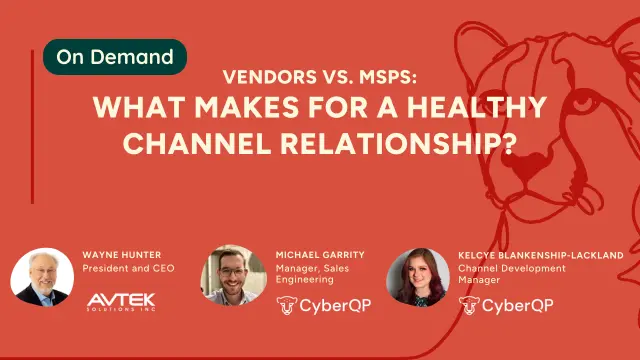
Vendors vs. MSPs: What constitutes a healthy channel relationship?
\
\
WEBINAR\
\
Vendors vs. MSPs: What constitutes a healthy channel relationship?
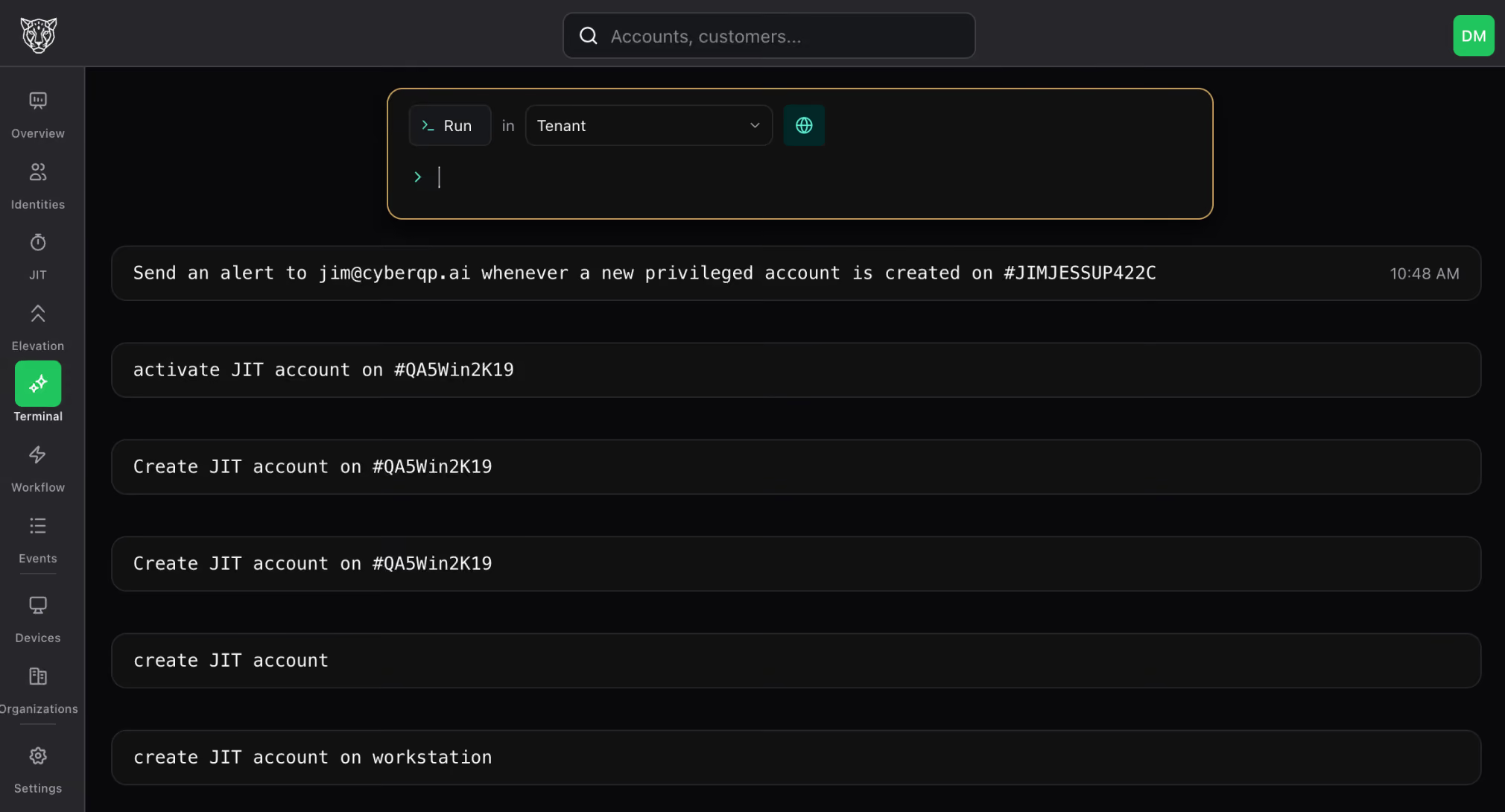
Run Panthera on your own environment

30 days free trial
No credit card required
Products
Pricing QGuard QDesk Integrations Product Tours Product Roadmap Release Notes
Products
Submit a Ticket Partner Portal Trust Center Knowledge Base
Company
Company Leadership Contact Careers
Resources
Resource Hub Blog White Papers eBooks Webinars Success Stories


© 2026 CyberQP Inc. All rights reserved.
Privacy Policy Terms & Conditions Cookie Policy Consent Preferences