
How MSPs can Implement Compliance-Mandated Access Management Controls
The eBook by CyberQP provides a comprehensive guide for Managed Service Providers (MSPs) on implementing compliance-mandated access management controls, focusing on securing privileged administrator and end-user accounts under evolving NIST SP 800-171 r3 and CMMC Maturity Level 2 requirements, including just-in-time (JIT) admin account security, in response to the Department of Defense's finalized CMMC rules effective December 16, 2024, and the upcoming enforcement and audits by CMMC Third-Party Assessment Organizations.
How MSPs can Implement Compliance-Mandated Access Management Controls
How IT teams implement access management controls under NIST and CMMC, secure admin accounts, and protect customer identities as mandates tighten.


e-book
Due to changing compliance framework requirements for both privileged administrator and end-user accounts under NIST and CMMC, CyberQP has created a complete guide to help you address each type of identity, how these changes impact you.
A Complete Outline: How MSPs Can Secure JIT Admin Accounts Under CMMC with Privileged Access Management.
The Department of Defense recently published the final version of the CMMC program’s rules. According to the Federal Register, these rules began their effect on December 16th, 2024, after the government finalizes the pre-existing DFARS clauses. Following initial implementation, the United States will begin ramping up enforcement and rollout of CMMC standards and require all contractors to meet NIST SP 800-171 r3’s 110 cybersecurity requirements and achieve CMMC Maturity Level 2 and pass a CMMC Third-Party Assessment Organization (C3PAO)’s audit.

Phishing Attacks Are Growing More Sophisticated
On October 29th, 2024, Microsoft issued reports on Russian state-sponsored threat actors sending highly targeted spear-phishing emails to thousands of targets based in the government and other sectors. In these campaigns, the malicious actors impersonated Microsoft employees and created social engineering lures based on AWS.
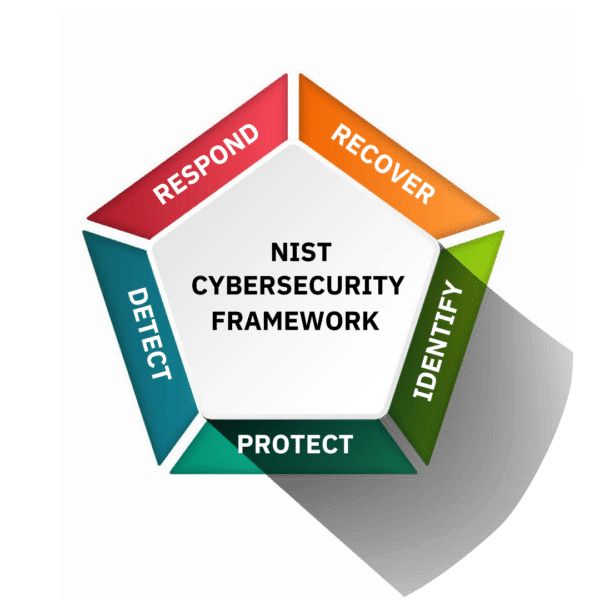
Examples of CMMC 2.0 Security Controls That PAM Supports
Access Control (AC):
Privileged Access Management solutions will help you limit access to sensitive information, keeping the number of security risks as low as possible and minimizing your attack surfaces.
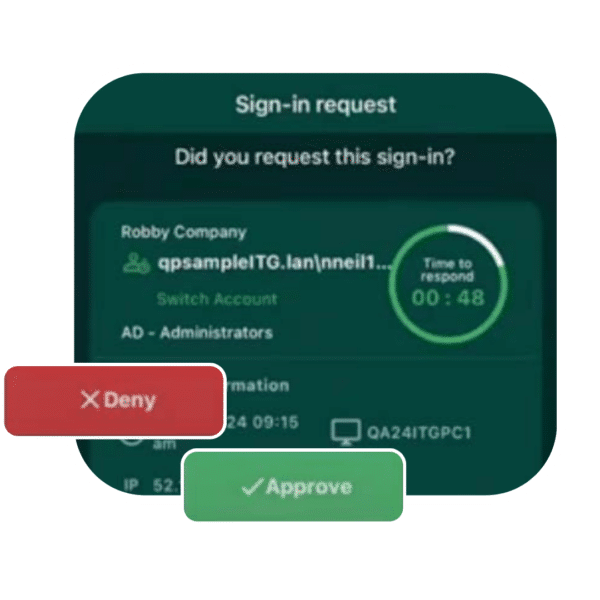
Identification and Authentication (IA):
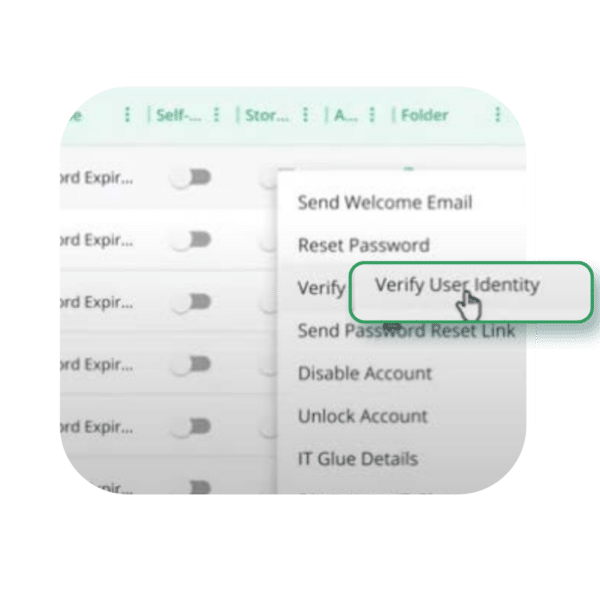
This requirement calls for security measures to safeguard CUI and only grant access to authorize users, which specifically calls for identity verification before granting access to an organization’s digital environments or devices.
Inform Your 2025 Compliance Strategy.
Run Panthera on your own environment

30 days free trial
No credit card required
Products
Pricing QGuard QDesk Integrations Product Tours Product Roadmap Release Notes
Products
Submit a Ticket Partner Portal Trust Center Knowledge Base
Company
Company Leadership Contact Careers
Resources
Resource Hub Blog White Papers eBooks Webinars Success Stories


© 2026 CyberQP Inc. All rights reserved.
Privacy Policy Terms & Conditions Cookie Policy Consent Preferences